Wondering whether a condo or a single-family home makes more sense in Newton? You are not alone. In a market where price, monthly costs, maintenance, and lifestyle can vary a lot by property type, the right choice often comes down to how you want to live and what you want to manage. This guide will help you compare the tradeoffs, understand the Newton cost picture, and narrow in on the option that fits you best. Let’s dive in.
Newton housing choices
Newton is shaped by 13 villages rather than one central downtown, so your housing choice often connects closely to the kind of setting you want day to day. Some buyers are drawn to village centers and transit-linked areas, while others focus more on privacy, outdoor space, or a quieter lot.
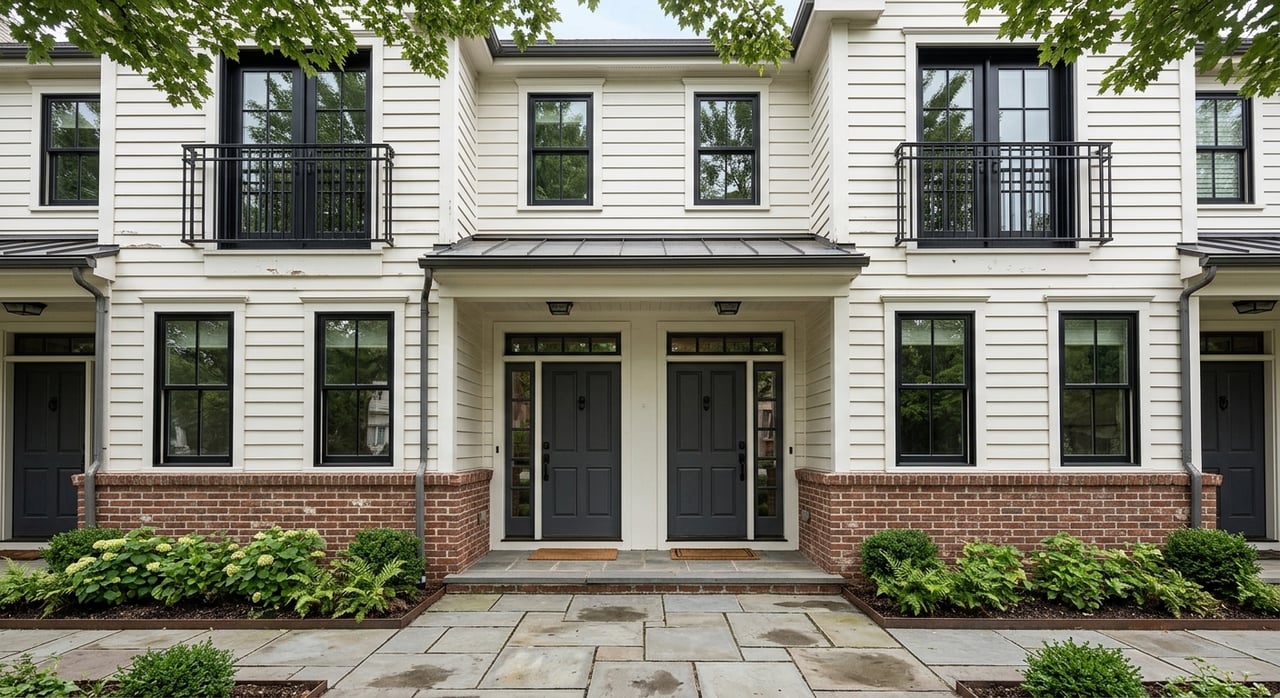
That local setup matters because attached housing can feel especially appealing in places with nearby shops, services, and transit access. Newton’s Village Center Overlay District, adopted in December 2023, supports by-right housing and commercial opportunities near transit, amenities, and gathering spaces, which adds context for buyers considering condos and other attached homes.
At the same time, Newton is still very much an owner-occupied market built around both condos and detached homes. In FY2026, single-family properties and condominiums together accounted for 79.55% of the city’s total assessed value, and the owner-occupied housing rate was 71.0%.
Price differences in Newton
For many buyers, the first big dividing line is price. Newton’s official 2024 sales data reported a median sale price of $1.75 million for single-family homes and $1.121 million for condos.
That gap is significant because it changes your budget picture before you even factor in taxes, insurance, utilities, or maintenance. In practical terms, condos often serve as a lower-price entry point into Newton ownership, while single-family homes usually require a larger upfront and ongoing financial commitment.
Sales volume also shows that both categories are active parts of the market. In 2024, Newton recorded 551 single-family sales and 345 condo sales, so buyers are clearly weighing both options in meaningful numbers.
Condos: what you are really buying
A condo can offer a more manageable ownership experience, but it comes with shared governance and shared costs. In Massachusetts, condominiums are privately owned and governed by master documents, deeds, bylaws, and Chapter 183A.
That means your monthly condo fee is not just an extra bill. It is part of the cost of ownership, and common expenses may reflect unit size, location, amenities, and limited common areas.
Massachusetts also requires an adequate replacement reserve fund to be collected as part of common expenses. That is one reason a condo fee should be viewed as more than payment for landscaping or snow removal. It may also help support long-term building repairs and replacement needs.
Insurance works differently with condos too. In Massachusetts, condo associations usually insure the building, including common walls and grounds, while unit owners need coverage for everything not covered by the master policy.
Single-family homes: more control, more responsibility
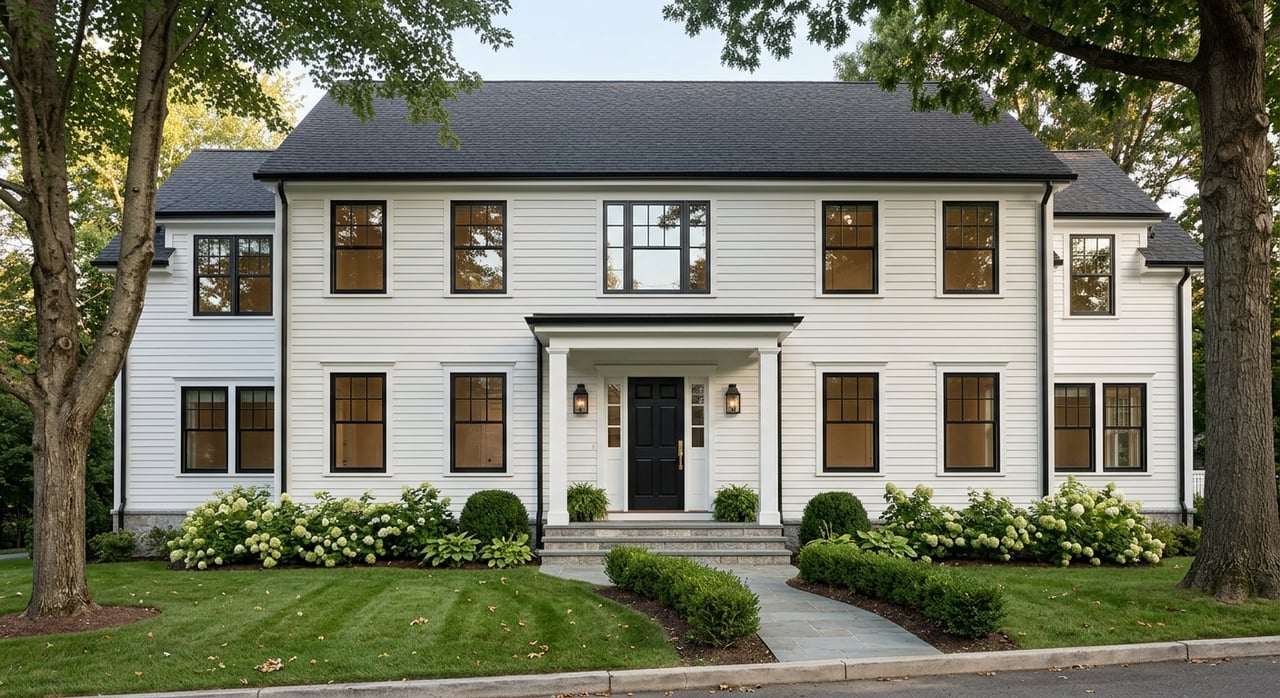
A detached single-family home typically gives you the greatest control over the property. You usually have fewer shared obligations, more autonomy over the lot, and more freedom in handling repairs, updates, and exterior spaces.
That control can be a major plus if privacy, yard space, or long-term improvement plans matter to you. It can also be helpful if you want to make decisions without condo rules, association approvals, or shared budget constraints.
The tradeoff is that more responsibility usually falls on you. Massachusetts homeowner insurance guidance notes that standard homeowners policies generally cover the dwelling, other structures on the property, household contents, and liability, which reflects the broader maintenance and repair role that often comes with single-family ownership.
How monthly costs compare
Purchase price is only part of the story in Newton. Carrying costs can differ sharply between condos and single-family homes, especially once you add property taxes, insurance, and maintenance.
Newton’s FY2026 residential tax rate is $9.69 per $1,000 of assessed value. Using the city’s FY2026 median assessed values, a median single-family home assessed at $1,503,500 works out to about $14,569 in annual property tax, while a median condo assessed at $813,500 works out to about $7,883 before exemptions.
That tax difference is meaningful, but it should not be looked at in isolation. A condo may have lower taxes than a single-family home, yet monthly dues can narrow the gap depending on the building and what the association covers.
Newton’s affordability materials even assume a monthly HOA payment when calculating maximum affordable sales prices. That is a useful reminder that dues can materially affect what feels comfortable in your monthly budget.
The broader ownership picture in Newton is expensive across the board. Census QuickFacts reports median monthly owner costs with a mortgage of more than $4,000, which helps frame just how important it is to compare full monthly carrying costs rather than focusing only on the purchase price.
Maintenance and lifestyle fit
One of the clearest differences between condos and single-family homes is how hands-on you want to be. If you prefer lower exterior-maintenance responsibility, a condo may be a better fit.
That can be especially appealing if you travel often, want a simpler day-to-day routine, or do not want to manage as many exterior projects. In some cases, the convenience of shared maintenance can outweigh the tradeoff of monthly dues and association rules.
If you want more privacy, more yard space, and more control over the property, a single-family home may feel like the better long-term match. Many buyers are comfortable taking on more maintenance in exchange for that independence.
This is where your lifestyle matters more than a simple pros-and-cons list. The better choice is often the one that matches how much upkeep, coordination, and decision-making you want in your daily life.
Resale factors to watch
Resale value is not driven by the same factors for every property type. With condos, buyers often evaluate the unit itself and the association behind it.
Massachusetts requires condo associations to maintain reserve funds and assess common expenses through condo documents. Mass.gov also notes that unpaid homeowners association dues can become liens on the property, which is one reason buyers tend to look closely at fee levels, reserve strength, building condition, rental rules, and owner-occupancy patterns.
With single-family homes, resale is usually tied more directly to factors like location, lot size, building size, and condition. Newton’s assessing guidance notes that comparable sales of similar properties in the neighborhood are the best indicator of market value, which is a useful lens for understanding how buyers may evaluate future resale potential.
How to decide in Newton
If you are torn between a condo and a single-family home in Newton, start with the questions that affect your life most directly. Budget matters, but so do control, maintenance expectations, and the kind of setting you want.
A condo may make sense if you want:
- A lower purchase price than a comparable detached home
- Less exterior maintenance responsibility
- A village-center or transit-friendly setting
- A simpler ownership setup for day-to-day living
A single-family home may make sense if you want:
- More privacy
- More yard or outdoor space
- Greater control over the property
- Flexibility to manage repairs and improvements on your own timeline
In Newton, the decision is usually not about which property type is better overall. It is about which mix of monthly cost, shared governance, and maintenance responsibility fits your priorities.
If you want help comparing specific Newton properties, understanding the real monthly cost picture, or weighing renovation potential against turnkey convenience, local guidance can make the decision much clearer. Dan Demeo can help you assess the tradeoffs and focus on the choice that fits your goals.
FAQs
What is the price difference between condos and single-family homes in Newton?
- Newton’s 2024 median sale price was $1.121 million for condos and $1.75 million for single-family homes.
What are condo fees in Newton meant to cover?
- In Massachusetts, condo common expenses are governed by the condo documents and may reflect unit size, location, amenities, and limited common areas, while also supporting required reserve funding.
How do property taxes compare for condos and single-family homes in Newton?
- Using Newton’s FY2026 tax rate and median assessed values, annual property tax works out to about $7,883 for a median condo and about $14,569 for a median single-family home before exemptions.
What insurance does a Newton condo owner usually need?
- Massachusetts notes that condo associations usually insure the building and common areas, while unit owners need coverage for what the master policy does not cover.
What should buyers review before buying a condo in Newton?
- Buyers should review the master deed, bylaws, fee structure, reserve funding, building condition, and any rules that affect ownership or future resale.
Why do some buyers choose single-family homes in Newton?
- Many buyers prefer single-family homes when privacy, yard space, control over the property, and flexibility for repairs or improvements matter most.