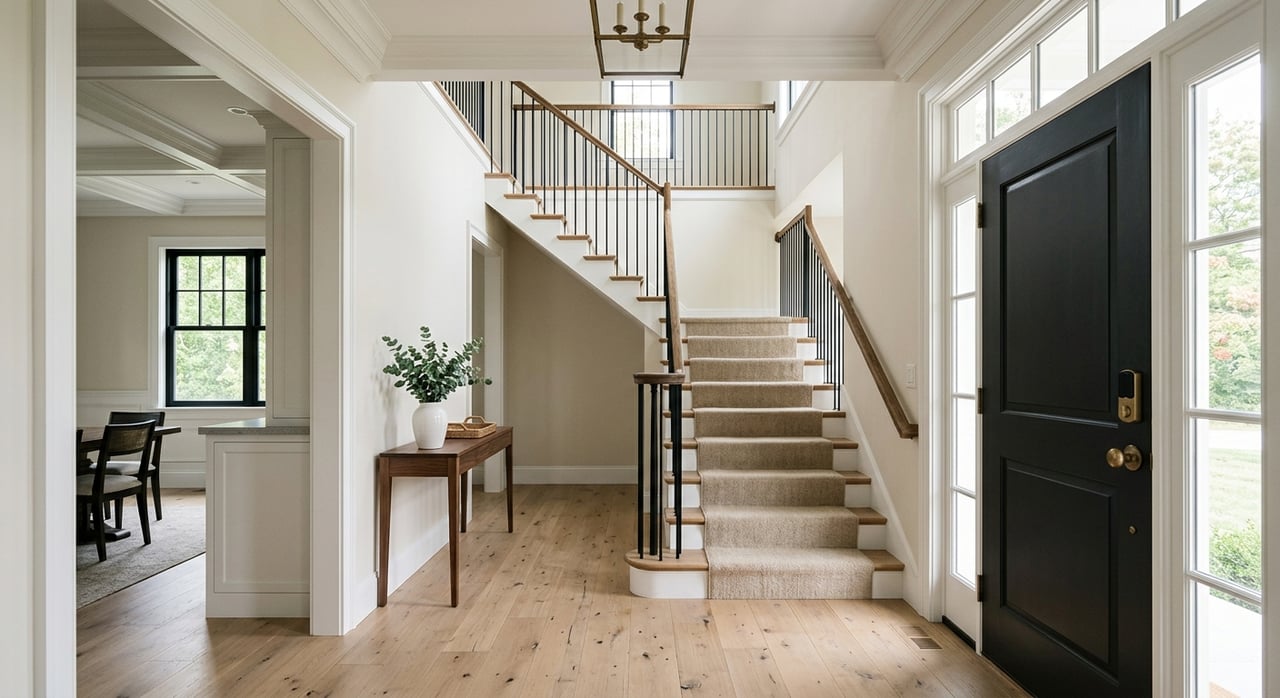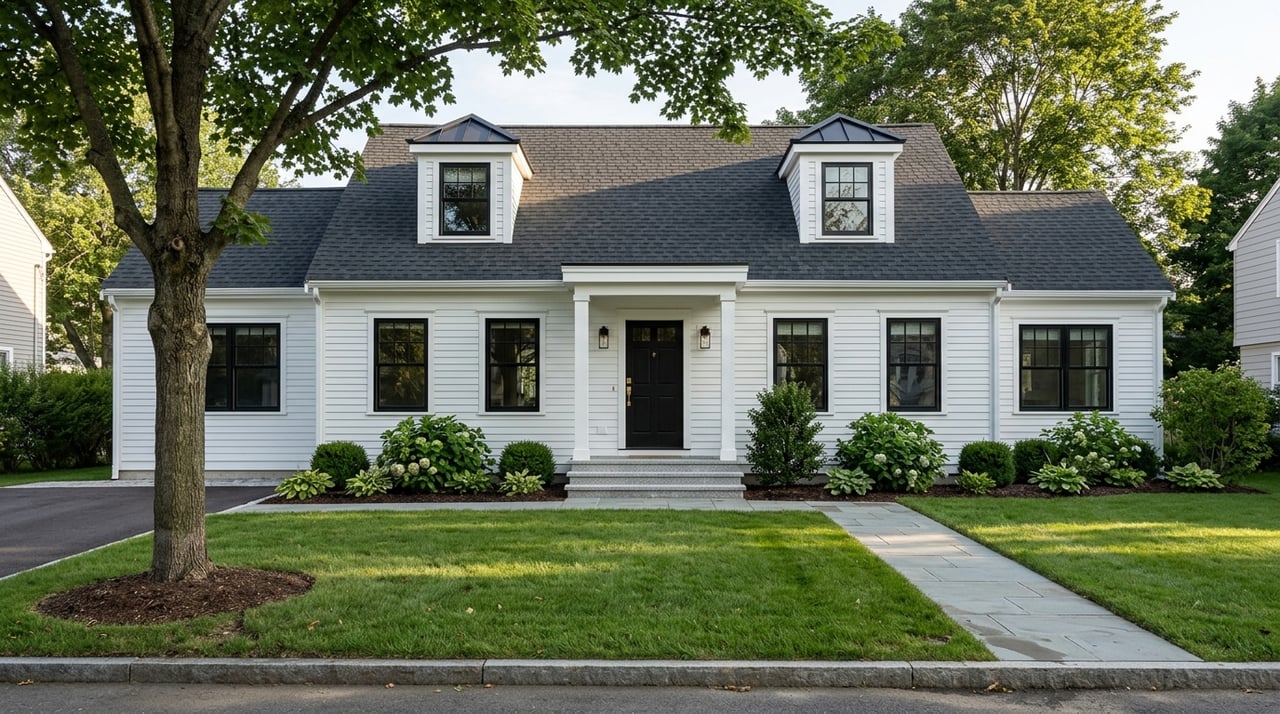
Thinking about leaving Boston for Newton? The move can make a lot of sense if you want more space, a more residential setting, and access back into the city, but it also comes with real tradeoffs, especially around budget, housing type, and commute patterns. If you are weighing whether Newton fits your next chapter, this practical overview will help you understand what changes, what stays convenient, and what to focus on as you narrow your options. Let’s dive in.
How Newton Feels Different From Boston
Newton is about 7 miles west of downtown Boston, but it offers a very different day-to-day feel. The city is organized into 13 villages rather than one dense central core, and the city describes Newton as principally suburban-residential. According to the City of Newton, that village-based layout is a defining part of how the community functions.
For you, that often means a shift from a more urban pattern to a more neighborhood-oriented one. Instead of asking which block puts you closest to everything, you may find yourself asking which village, street pattern, or home style best matches your routine. That is an important mindset change if you are used to Boston living.
Commute Options From Newton
One of the biggest questions when moving from Boston to Newton is whether your commute will still feel manageable. The good news is that Newton offers a range of transit and road options, though convenience can vary by village.
Transit Access Across Newton
Newton has seven Green Line D stations, three commuter rail stops on the Framingham/Worcester line, at least 10 MBTA bus routes, and access to I-90, I-95, Route 9, Route 16, and Route 30. The city’s economic development page lays out that transportation network clearly.
If you want rail access, areas near the Green Line D branch or the commuter rail stops may feel more familiar coming from Boston. If you drive more often, Newton’s road access may be a strong plus. In many cases, the right fit comes down to how often you commute and how flexible your schedule is.
Average Travel Time
The average travel time to work is 26.6 minutes in Newton, compared with 30.3 minutes in Boston, based on U.S. Census QuickFacts for Newton. That does not mean every commute from Newton is shorter, but it does show that moving west does not automatically mean a worse daily trip.
In practical terms, your experience will depend heavily on where in Newton you land. Two homes in the same city can offer very different transit access, traffic patterns, and walkability to stations or bus routes. That is why village-by-village planning matters here.
Biking and Recreation
If you like having outdoor options built into your routine, Newton also has shared-use paths along the Charles River Reservation and more than 20 miles of bike lanes and paths, according to the city’s transportation overview. That may not replace your commute, but it can add flexibility for shorter trips and weekend recreation.
Housing in Newton: What You Can Expect
The housing mix in Newton is broader than some buyers expect, even though the city remains heavily weighted toward single-family homes. In 2020, Newton had 33,054 housing units, including 17,184 single-family homes, 5,235 condominiums, 5,386 two-family units, 819 three-family units, 4,328 apartment units, and 102 accessory apartments, based on the city’s housing snapshot.
That mix matters if you are moving from Boston and deciding whether you want a condo, townhouse-style living, a multifamily setup, or a detached home. Newton is not one-size-fits-all, but its inventory tends to lean more toward ownership and lower-density living than Boston.
Home Prices Are a Major Shift
The biggest adjustment for many Boston buyers is cost. In the city’s FY2026 assessor summary, 2024 median sale prices were $1.75 million for single-family homes, $1.121 million for condominiums, and $1.30 million for multifamily homes. Those figures come from Newton’s FY2026 assessor summary.
The pressure remains strong at the upper end of the market as well. Newton’s FY2026 property values report shows the single-family median sale price reaching $1.85 million through September 2025, with only three single-family sales below $600,000 in calendar year 2024, according to the city’s property values report.
Newton vs. Boston Costs
Official census data shows a sizable gap between the two cities. The median value of owner-occupied housing units is $731,700 in Boston, compared with $1,264,900 in Newton, based on Boston QuickFacts and Newton QuickFacts. That means Newton’s typical owner-occupied home value is substantially higher.
The rent gap is smaller. Median gross rent is $2,147 in Boston and $2,370 in Newton, according to Census QuickFacts for Newton. So if you are renting first before buying, the jump may feel more manageable than if you are buying right away.
What Changes in the Buying Experience
Moving from Boston to Newton often changes not just what you buy, but how you buy. Newton is a much more owner-occupied market, with 70.0% owner-occupied housing versus 35.7% in Boston, according to Census QuickFacts for Newton.
That owner-occupied profile can shape the market in practical ways. You may find yourself thinking more about long-term resale, lot size, parking, storage, and how a home functions over several years rather than just your next lease cycle. It is a different decision framework than many Boston buyers are used to.
Village-by-Village Tradeoffs Matter
Because Newton is organized around 13 villages, your search usually becomes more specific. Instead of simply choosing Newton as a whole, you will likely compare areas based on housing type, transit access, street layout, and budget.
A practical question is not just whether Newton works for you. It is which village, which housing type, and which commute tradeoff make the most sense for your needs. That is often the clearest way to approach the move.
Policy Changes May Expand Options
Newton’s housing rules are also evolving. The city was found fully compliant with the MBTA Communities law in March 2025, and Newton now allows accessory dwelling units on single-family or two-family lots under city rules, as noted on the city’s MBTA Communities page.
These changes may create more housing flexibility over time, especially near transit. Still, they do not change the reality that Newton remains a high-cost market, so it is wise to keep expectations grounded in current pricing.
Monthly Ownership Costs to Plan For
Beyond the purchase price, monthly costs are another important part of the move. Boston’s median selected monthly owner cost with a mortgage is $2,986, while Newton’s is $4,000 or more, based on Boston QuickFacts and Newton QuickFacts.
That gap can affect how comfortably you buy, not just what you qualify for on paper. If you are moving from a Boston condo or smaller home, it helps to think through the full monthly picture early so your search stays realistic and low-stress.
Who Newton Often Fits Best
Newton tends to appeal to buyers who want more interior space, a more residential setting, and continued access into Boston by rail or road. The city’s transportation and business overview supports that overall picture.
If that sounds like you, the move can be a strong long-term fit. The key is matching your budget to the right housing type and narrowing in on the village that best supports your daily routine.
A Smart Way to Evaluate the Move
If you are serious about moving from Boston to Newton, try to evaluate your options through three filters:
- Budget: What purchase price and monthly cost feel sustainable for you?
- Housing type: Do you want a condo, multifamily option, or single-family home?
- Commute tradeoff: How much do transit access, driving routes, or bike access matter in your weekly routine?
Those questions can bring clarity fast. They also help you compare homes in a way that is practical, not just emotional.
If you are weighing neighborhoods, commute patterns, or renovation potential, working with a local team can help you focus on the options that make sense instead of chasing every listing. Dan Demeo brings deep Newton roots, a calm and direct approach, and practical insight that can help you make a confident move.
FAQs
What is the biggest difference when moving from Boston to Newton?
- The biggest change is usually moving from a denser urban setting to a more village-based, suburban-residential environment with higher ownership costs.
Is commuting from Newton to Boston realistic?
- Yes. Newton has Green Line D stations, commuter rail stops, bus routes, and major road access, but convenience depends on which village you choose.
Are homes in Newton more expensive than homes in Boston?
- Yes. Official census and city data show that Newton home values and median sale prices are significantly higher than Boston’s.
Is Newton only made up of single-family homes?
- No. Newton is majority single-family, but it also includes condominiums, two-family homes, three-family homes, apartments, and accessory apartments.
Should you rent first when moving from Boston to Newton?
- For some buyers, renting first can be a useful step because the rent gap is smaller than the ownership gap, which can give you time to learn the city before buying.