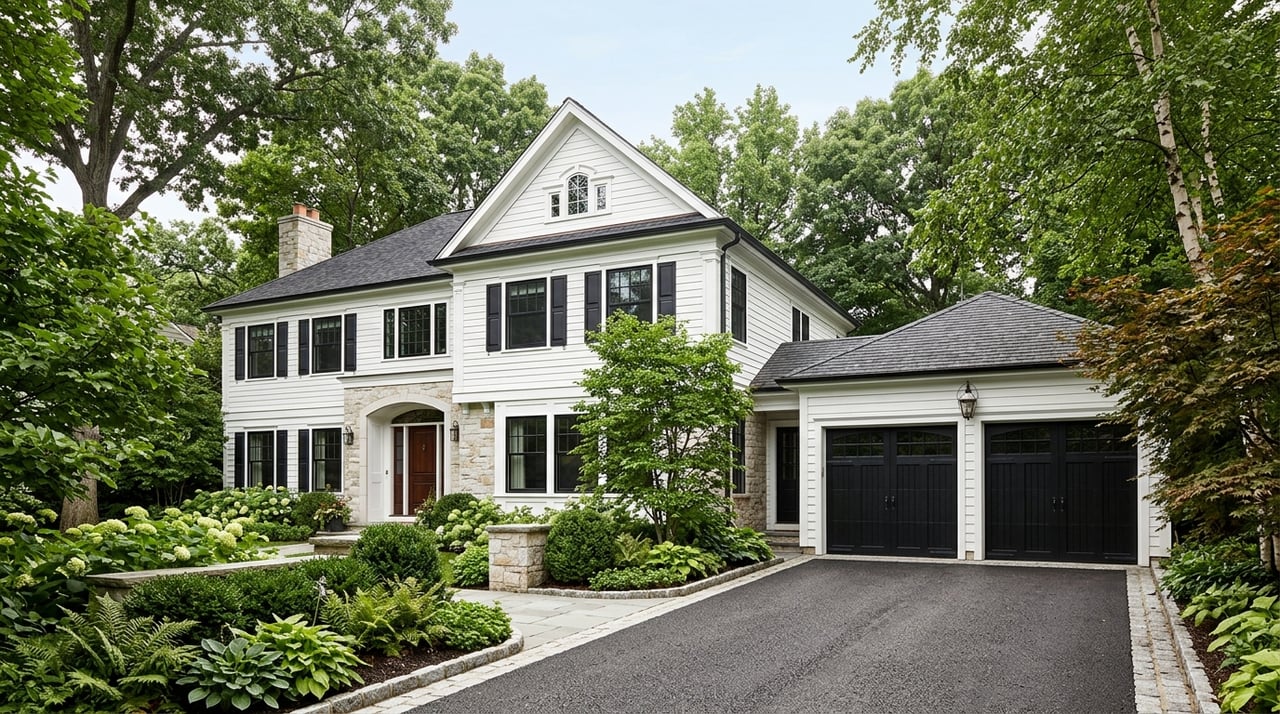
If you are trying to buy in Newton, you already know this is not a market where a casual offer usually wins. Competition is still very real, and sellers often look beyond price to decide which buyer feels most reliable. The good news is that you do not have to guess your way through it. With the right strategy, you can build an offer that feels strong, clean, and well prepared from the start. Let’s dive in.
Newton buyers should expect competition
Newton remains a premium market, and recent data points tell a similar story even when the exact numbers vary by source. Redfin reports that homes in Newton received an average of 3 offers and sold in about 25 days over the last three months, with a median sale price of $1,606,670. The Massachusetts Association of Realtors reported 2.9 months of inventory year to date for single-family homes in Newton, along with 98.9% of original list price received.
That matters because 2.9 months of inventory is still tight. A balanced market is often described as closer to 6 months of inventory, so buyers in Newton should expect that well-priced homes may draw strong interest. In other words, your offer often needs to be a full package, not just a number.
Competitive offers are about more than price
It is easy to focus only on how far above asking you may need to go. In reality, many sellers are comparing the full picture of each offer, including financing strength, contingencies, timing, and the buyer’s overall readiness.
A strong offer usually answers a seller’s biggest question: Will this deal actually close on time and with minimal surprises? When you can reduce uncertainty while still protecting yourself, your offer becomes more appealing.
Start with a fresh preapproval
In Massachusetts, preapproval carries more weight than prequalification. State guidance treats preapproval as the more official step, and sellers often expect to see it as part of the offer package.
That said, a preapproval letter is not something you want to leave sitting in your inbox for months. Consumer guidance notes that these letters are tentative and often expire within 30 to 60 days. In a market like Newton, a fresh, current preapproval letter can make your offer look far more serious than a stale or generic one.
Why this matters in Newton
When a seller is choosing between multiple buyers, strong financing can help tip the scales. A current preapproval signals that your lender has already reviewed your finances at a meaningful level. It also gives the seller more confidence that you are ready to move quickly.
If you are planning to write soon, make sure your letter reflects your current purchase range and is dated recently. That small detail can strengthen your position right away.
Use contingencies carefully, not casually
Massachusetts treats contingencies as standard parts of an offer. State guidance specifically lists mortgage, home inspection, and property-sale contingencies among the common offer terms buyers may include.
In a competitive situation, the question is often not whether contingencies exist at all. The question is how they are written, how long they last, and whether they feel reasonable to the seller.
Inspection contingency in Massachusetts
Many Newton buyers worry they must waive inspection to compete. Not necessarily. Market data suggests some Newton homes do receive waived contingencies, but Massachusetts also requires a separate written disclosure of a buyer’s inspection right before or at the first purchase contract, and state guidance generally recommends an inspection clause.
That creates an important middle ground. Instead of waiving inspection entirely, some buyers stay competitive by shortening the inspection window or limiting repair requests. This can preserve an important protection while still making the offer feel more workable.
Mortgage contingency strategy
A mortgage contingency can protect you if financing falls through, but it also affects how secure your offer appears. Sellers may feel better about a buyer who has strong documentation, a solid lender, and a timeline that matches the deal.
If your financing is straightforward and your lender is responsive, that can make this contingency feel less risky from the seller’s side. The goal is not to remove protections blindly. The goal is to write them in a way that is thoughtful and credible.
Home sale contingency challenges
If your purchase depends on selling another home, that can make your offer harder to compete with in a fast-moving Newton search. Since property-sale contingencies are standard terms in Massachusetts, sellers will understand the structure, but they may still prefer a cleaner path if they have options.
That does not mean you cannot win. It means your timing, planning, and overall presentation need to be especially strong.
Strengthen the deposit and timeline
Massachusetts purchase and sale materials identify earnest money or deposit, time for performance, and possession as customary deal terms. These details may sound minor compared with price, but they often matter a great deal in a close competition.
A solid deposit can show that you are serious. Your closing date and possession plan can also make a big difference if they line up with what the seller needs.
Deposit signals commitment
Your deposit should be meaningful enough to show commitment, but still fit your comfort level and risk tolerance. Bigger is not always better if it creates stress for you. What matters is presenting a number that supports the credibility of the offer.
In practice, this is one of several terms that can help a seller feel your offer is real, prepared, and less likely to fall apart.
Timing can be a deciding factor
Some sellers want a fast close. Others need extra time to move, buy their next home, or coordinate family logistics. When your offer matches those timing needs, it can become more attractive even if another buyer offers a similar price.
This is where local guidance matters. Understanding whether the seller values speed, flexibility, or post-closing possession can help you write a cleaner and more competitive offer.
Remember that an offer is a legal document
Massachusetts is very clear on this point. An offer is a legal document, and buyers are advised to consult an attorney before entering into any contract.
Once the offer is accepted, the process moves to a purchase and sale agreement prepared and agreed to by the parties’ attorneys. That means your offer should not be treated as a casual first step. In Newton, sellers are likely reviewing the details closely from the beginning.
Every offer must be conveyed
Massachusetts also requires that all offers be conveyed. That is good news for buyers because it means your terms will be presented and considered.
It also raises the bar for preparation. If every offer is getting in front of the seller, yours should be organized, realistic, and tailored to the property.
Not every Newton offer should be above asking
A lot of buyers assume the only way to win in Newton is to go over list no matter what. That is too simplistic.
Recent Newton snapshots show a mix of outcomes. Some homes sell above list, others near list, and some below list depending on pricing, property type, and the specific home. The right offer should come from the comparable sales and the seller’s likely priorities, not from a citywide headline.
Why pricing strategy matters
Some listings are intentionally priced to attract multiple offers. Others are priced closer to where the seller hopes to land. A competitive offer should reflect that context.
This is where practical local knowledge can help. Looking at the right comp set, understanding renovation level, and reading how the property sits in the current Newton market can keep you from overreaching or underbidding.
Older homes may bring extra due diligence
For homes built before 1978, lead-paint notification rules may apply in Massachusetts. This does not necessarily change the competitive mechanics of your offer, but it can affect your due diligence and closing preparation.
Newton has a wide range of housing stock, including many older homes. If you are considering one, it is smart to be ready for the additional paperwork and timeline coordination that may come with it.
A practical framework for your Newton offer
If you want your offer to stand out for the right reasons, focus on building a package that is both competitive and sensible.
Here is a simple framework:
- Get a current preapproval, not just a prequalification
- Review comparable sales for that specific property type and condition
- Decide which contingencies you need and where you may be able to shorten timelines
- Set a deposit amount that shows seriousness without stretching your comfort zone
- Match the closing and possession timing to the seller when possible
- Have your attorney, lender, and inspection planning lined up before you offer
Each of these steps helps reduce friction. In a market like Newton, that can matter just as much as your headline price.
Local guidance can make the process calmer
In a competitive market, you want more than generic advice. You want someone who understands Newton’s housing stock, pricing patterns, and how to shape terms that protect you while keeping you competitive.
That kind of guidance can be especially helpful when you are deciding whether to tighten an inspection window, how to frame your financing, or how much weight to give a list price. A calm, experienced strategy can help you move faster without feeling reckless.
When you are ready to build a competitive offer on a Newton home, Dan Demeo can help you evaluate value, understand the local market, and put together terms that make sense for your goals.
FAQs
What makes an offer competitive on a Newton home?
- A competitive Newton offer usually combines a strong price with a current preapproval, carefully written contingencies, a solid deposit, and timing that works for the seller.
Is preapproval important for buying a home in Newton?
- Yes. Massachusetts guidance distinguishes preapproval from prequalification, and a fresh preapproval letter is generally stronger when you are competing for a Newton home.
Do you need to waive inspection to win in Newton?
- No. Some buyers waive contingencies, but Massachusetts generally recommends an inspection clause, and many buyers stay competitive by shortening the inspection period or limiting repair requests instead.
Should every offer on a Newton home be above asking price?
- No. Some Newton homes sell above list, while others sell near or below list, so the best offer depends on comparable sales, pricing strategy, and the seller’s priorities.
Why does timing matter in a Newton real estate offer?
- Closing date, deposit timing, and possession terms can all make an offer more attractive if they match what the seller needs.
What happens after a Newton home offer is accepted?
- In Massachusetts, an accepted offer is followed by a purchase and sale agreement prepared and agreed to by the parties’ attorneys, so it is important to be organized from the start.