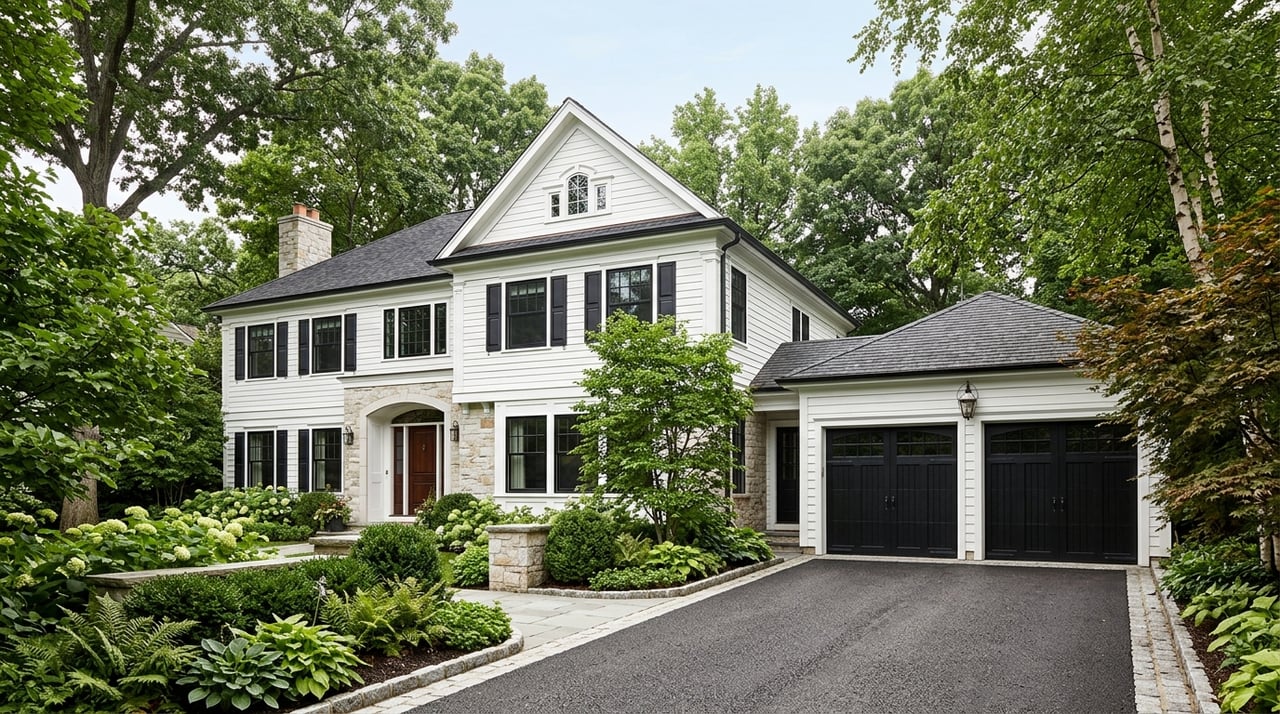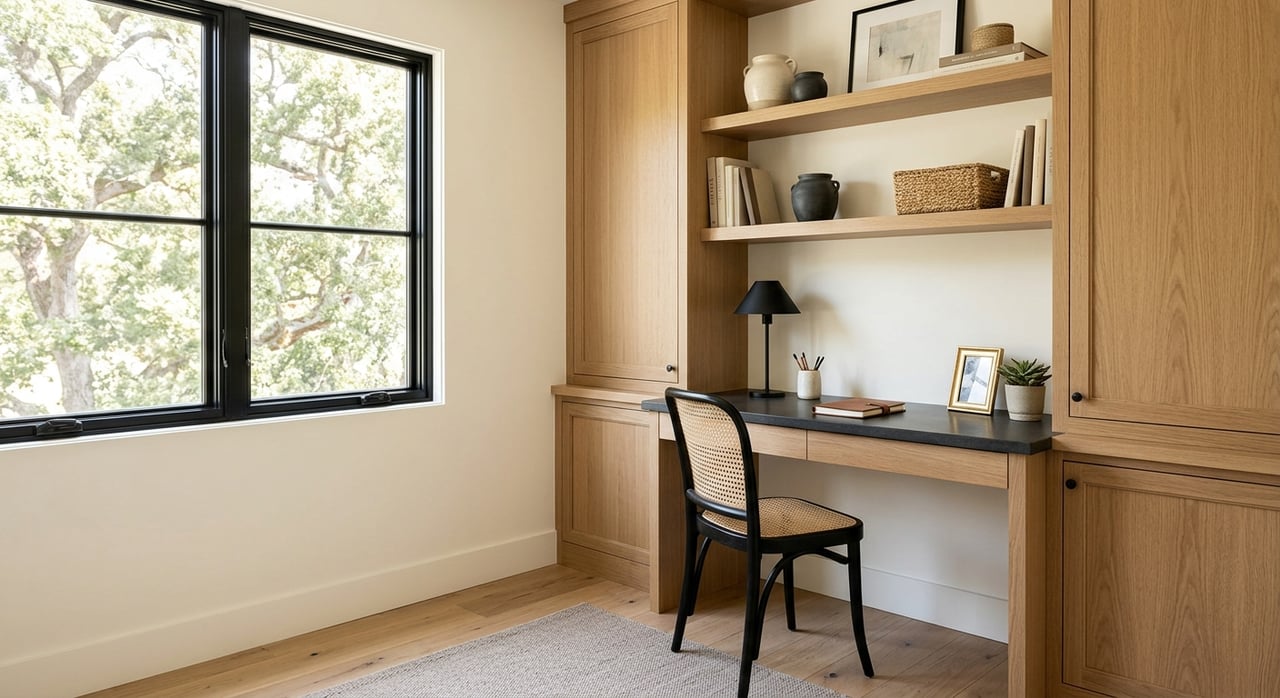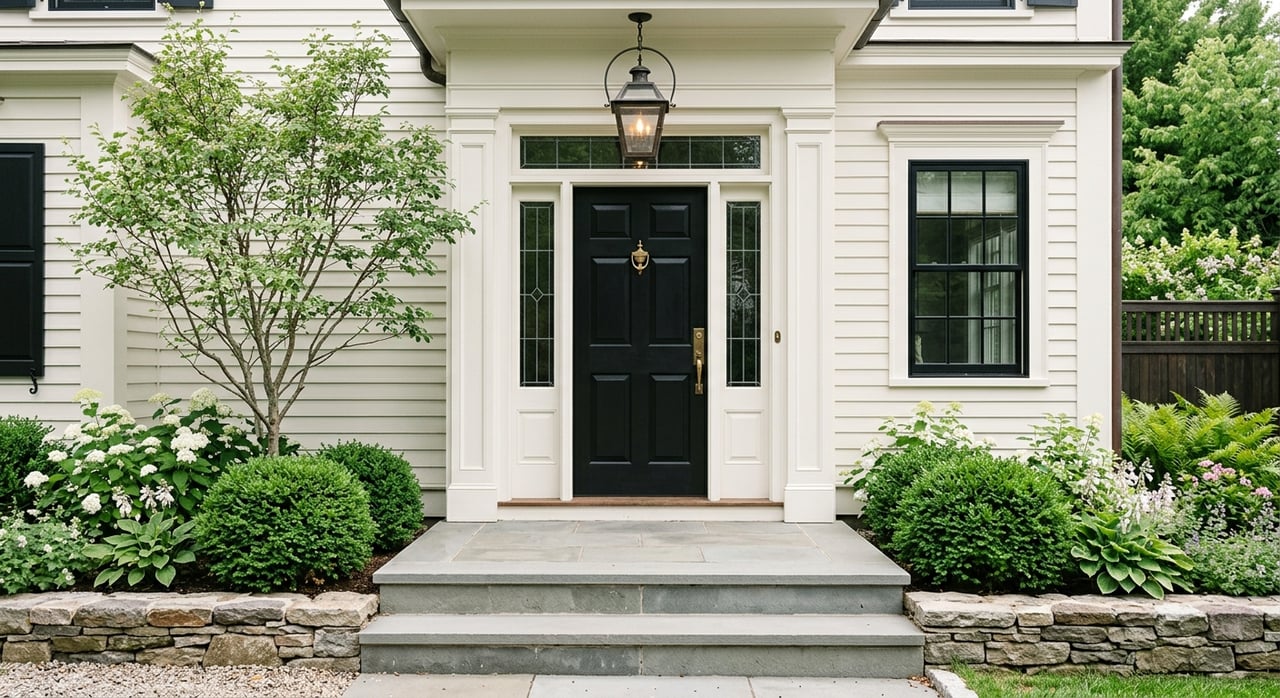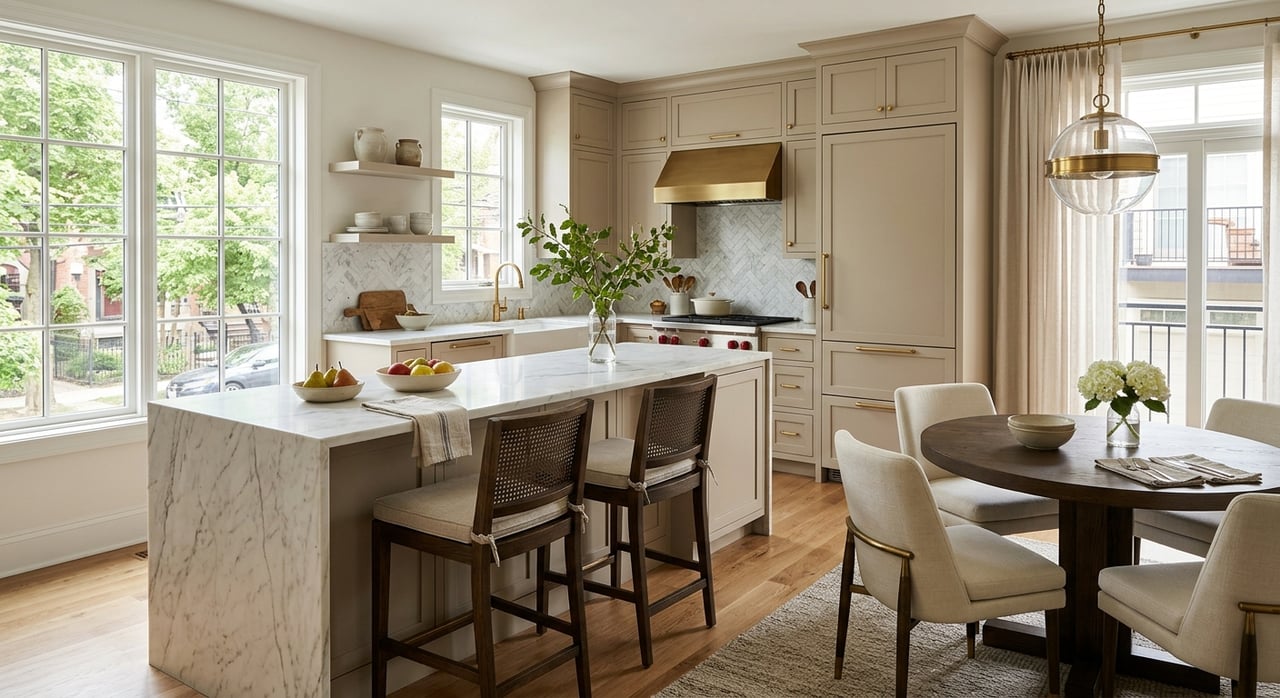
Thinking about downsizing in Newton can bring up two very different feelings at once: relief at the idea of less upkeep, and worry about losing the routines and relationships that make this city feel like home. If you have spent years building your life here, you are probably not looking to disconnect. You are looking for a smarter fit. This guide will help you think through how to downsize in Newton while staying close to the people, places, and daily patterns that matter most. Let’s dive in.
Why downsizing in Newton looks different
In Newton, downsizing is often less about leaving the market and more about reshaping your lifestyle. The city has about 90,700 residents, a 71% owner-occupied housing rate, and median owner-occupied values around $1.2 million to $1.3 million. About 19.1% of residents are 65 or older, which means many households are asking the same question you may be asking now: how do you keep your Newton life, but simplify the home that supports it?
That question matters even more because Newton housing tends to be older and larger. City planning materials estimate that 53% of households are in single-family homes, 33% are in condos and two-family homes, and about 90% of houses were built before 1970. For many longtime owners, the goal is not to leave town. It is to trade extra rooms, stairs, yard work, or renovation needs for convenience and flexibility.
Newton’s village model helps you stay connected
One of Newton’s biggest strengths for downsizers is its village-based layout. Instead of one central downtown, Newton is organized around 13 village centers. That structure can make it easier to stay near familiar shops, services, and routines even if you move to a different home type.
The city describes these village centers as walkable mixed-use areas with shopping, dining, and services. For you, that may mean a move that keeps coffee, errands, transit, or favorite local stops within easier reach. Rather than trying to replace every feature of a larger house, it often makes more sense to prioritize access to the village life you already enjoy.
Housing options to consider in Newton
Downsizing does not mean there is only one path forward. In Newton, your next move may look very different depending on whether your top priority is lower maintenance, one-level living, staying near family, or preserving flexibility for the future.
Smaller single-family homes
If you still want the privacy and feel of a detached home, a smaller single-family property may be the right fit. This option can let you reduce upkeep without fully changing your living style. It can also work well if you want fewer stairs, less outdoor maintenance, or a home that needs fewer ongoing projects.
Condos and attached homes
Condos and attached homes are often strong options for Newton downsizers who want less responsibility for exterior maintenance. They may also provide easier access to village centers, transit, and services. Newton’s broader planning work notes that multi-family housing is important for offering diverse options to older residents looking to downsize, which supports the role these homes play in the local market.
Two-family properties
A two-family home may not be the first thing you picture when you think about downsizing, but it can be worth considering. Newton’s assessors note that single-family homes have traditionally sold for more than similarly sized two-family homes in the same neighborhood, though that gap has narrowed. They also note that two-families have become more popular with some buyers because rental income can help with mortgage costs.
If your goal is to stay in Newton and reduce maintenance while keeping some financial flexibility, this option may deserve a closer look. It is not right for everyone, but it can open up possibilities that a standard condo search might miss.
Accessory dwelling units
Accessory dwelling units, or ADUs, are one of the most Newton-specific options to think about. The city defines an ADU as a smaller self-contained unit on the same lot as a primary residence. If you own a single- or two-family home, Newton says you can add one ADU to the property.
ADUs can be created within the main house or as a detached structure, depending on the property. The city also notes that ADUs can help seniors remain in their homes as family needs change. If staying on familiar ground matters to you, but your current house no longer fits the way you live, an ADU may be a way to right-size without fully leaving your property.
Focus on daily life, not just square footage
A successful downsizing move is not only about finding fewer rooms. It is about protecting the parts of your day that help you feel independent, engaged, and comfortable. In Newton, that often means thinking beyond bedroom count and asking how a home supports your routine.
Here are a few practical questions to ask as you compare options:
- How close are you to a village center you already use?
- Can you reach transit easily if you want to drive less?
- Would fewer stairs make daily living easier?
- Is the home easier to maintain year-round?
- Can the layout support you comfortably over time?
- Will the location help you stay social and active?
This kind of planning can help you avoid a move that looks good on paper but feels isolating in practice.
Local resources can support community ties
Many homeowners worry that downsizing will shrink their world. In Newton, local resources can help the opposite happen.
Older Adult Services is a major connection point in the city. Newton says it offers about 100 programs each week at the Cooper Center for Active Living, along with a Friday update email, a print newsletter, a weekly calendar, and daily calendars. The city also says GoGo Newton makes it easier to travel to the Cooper Center from any Newton address.
That matters because staying connected often depends on routine access. If you want a move that supports social contact, fitness, programming, and regular activity, these resources are worth keeping in mind as you choose your next location.
Transportation can make a smaller home work better
A well-placed home can do a lot of the work that a larger house used to do. Newton’s transportation network gives downsizers more ways to stay local and connected without relying as much on a car.
The city says the MBTA Green Line D branch serves Riverside, Woodland, Waban, Eliot, Newton Highlands, Newton Centre, and Chestnut Hill. Commuter rail service is available at Auburndale, West Newton, and Newtonville. Newton’s public transportation page also lists MBTA reduced-fare programs for older adults and The Ride paratransit service.
If you are comparing homes, transit access should be part of the conversation. Being near a station, a village center, or services you use often can make everyday life feel easier and more flexible.
Accessibility should be part of your plan
Downsizing is also a chance to future-proof your next move. Newton’s architectural accessibility work highlights the city’s focus on removing barriers and improving access and mobility for older adults and people with disabilities. The city documents curb cuts, accessible pedestrian signals, and accessible pathways at parks and civic sites.
For you, that means accessibility is not just an in-home issue. It is also about how comfortably you can move through the neighborhood around you. A home with the right location, curb access, and path of travel may serve you better than a larger property with more maintenance and more physical demands.
Timing your sale and move carefully
If you are selling one Newton home and buying another, timing matters. Newton’s assessors explain that an assessment is an estimate of market value based on comparable sales, not the owner’s age or personal circumstances. For Fiscal Year 2026, the city says assessments use sales from late 2023, calendar year 2024, and early 2025.
That is important if you are trying to decide whether to renovate before selling. The assessor’s office notes that renovations and additions can affect value. Large additions or major pre-sale projects can also change assessments and may trigger supplemental tax billing if construction increases building value by more than 50%.
This is where practical local guidance matters. Not every project improves your outcome, and not every update is worth the cost or disruption when your real goal is a smooth transition.
A simple downsizing strategy for Newton
If you want to stay connected to community, it helps to work through downsizing in a clear order. This can keep the process from feeling overwhelming and help you make decisions based on how you want to live, not just what you want to leave behind.
Start with lifestyle needs
Think about what you want more of in the next chapter. That may be less maintenance, one-level living, easier access to transit, or a shorter walk to the places you enjoy most.
Compare home types with an open mind
In Newton, downsizing may mean a condo, townhome, smaller single-family home, two-family property, or even an ADU plan. Looking at several paths can reveal options that fit your goals better than your first assumption.
Prioritize location around routine
Focus on the village center, transit access, and day-to-day convenience that will help you stay engaged. A home that supports your rhythm often matters more than one with extra space.
Be selective about pre-sale work
Before making major improvements, weigh the likely return, timeline, and tax implications. A thoughtful plan is usually better than rushing into expensive work that may not move the needle enough.
Sequence the move carefully
Once you know your housing goals and likely options, build the sale and purchase plan around Newton market realities. Good preparation can reduce stress and make the transition feel far more manageable.
Downsizing in Newton does not have to mean stepping away from the community you know. In many cases, it means choosing a home that lets you enjoy that community more fully, with less upkeep and more freedom. If you want practical guidance on how to position your current home and evaluate the right next move in Newton, Dan Demeo can help you map out a strategy that fits your goals.
FAQs
What does downsizing in Newton usually mean for longtime homeowners?
- In Newton, downsizing often means moving from a larger, older home into a smaller single-family home, condo, attached home, two-family property, or ADU setup while staying close to familiar routines and community connections.
How can you stay connected to community after downsizing in Newton?
- Newton’s 13 village centers, local transit options, Older Adult Services programming, and access to the Cooper Center for Active Living can help you maintain regular social, service, and activity-based connections after a move.
What housing options should you consider when downsizing in Newton?
- Depending on your goals, you may want to compare smaller single-family homes, condos, attached homes, two-family properties, and accessory dwelling units allowed by the city on eligible single- or two-family lots.
Why do Newton village centers matter when downsizing?
- Newton’s village centers can make it easier to stay near shops, services, dining, and transit, which may let you keep the daily rhythm you enjoy even if you move to a smaller home.
What should you know about renovations before selling a Newton home?
- Newton’s assessors say renovations and additions can affect value, and substantial construction that increases building value by more than 50% may trigger supplemental tax billing, so it is wise to evaluate major projects carefully before listing.
What local transportation options support downsizing in Newton?
- Newton has Green Line D branch service at several local stops, commuter rail stations in Auburndale, West Newton, and Newtonville, MBTA reduced-fare programs for older adults, and The Ride paratransit service listed by the city.
How can accessibility influence a downsizing move in Newton?
- Accessibility can shape both home choice and location choice, especially if you want easier mobility, fewer barriers, better curb access, and more comfortable access to parks, civic spaces, and neighborhood routes over time.